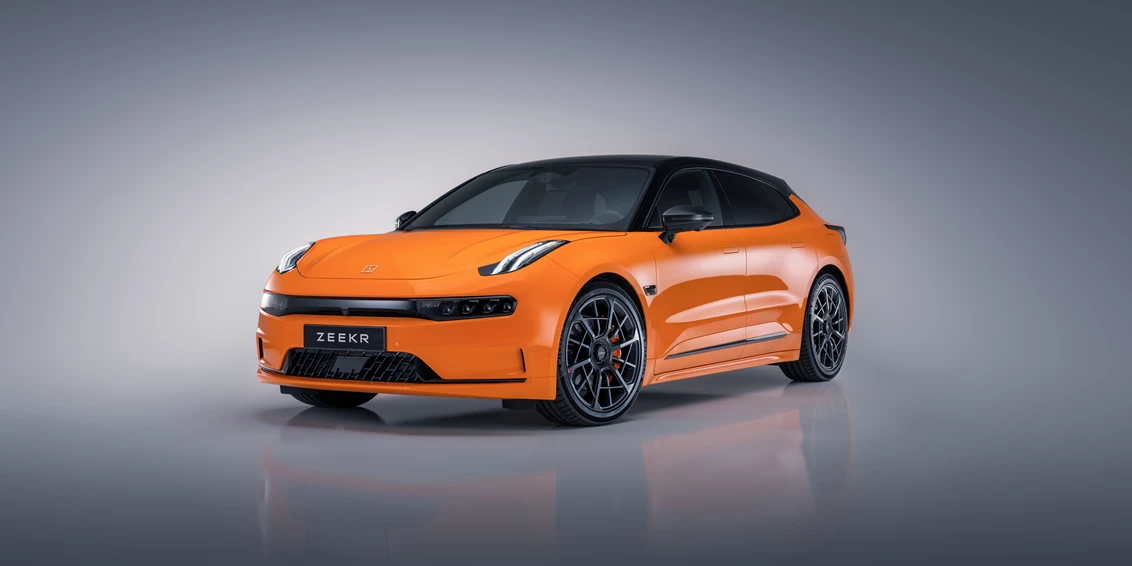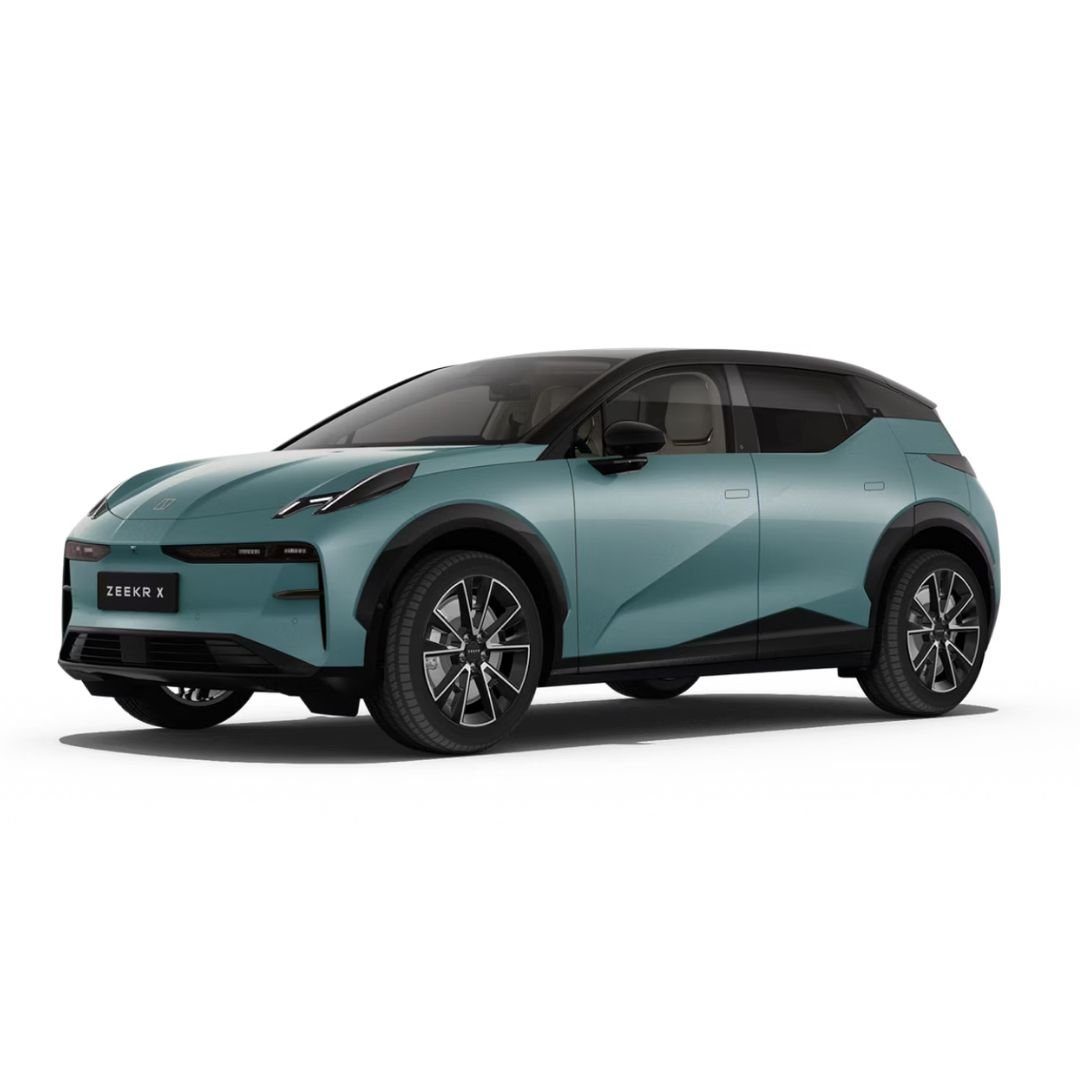

The model name alone is not a charging specification. A ZEEKR 7X offered in the UAE may come through a regional channel or as a parallel import. Official ZEEKR pages publish materially different datasets for mainland China and Europe, so this guide keeps those figures separate and builds the installation decision from the actual delivered vehicle.
The verified market matrix
| Official source | What it publishes | How to use it in the UAE |
|---|---|---|
| ZEEKR Global 7X page | Mainland-China references including an 800 V architecture and China-market range material | Evidence of the platform, not automatic proof of the UAE car's connector, battery or charging limit. |
| ZEEKR Europe 7X page | 75 and 100 kWh versions; WLTP figures of 480, 615 and 543 km by trim; published 10–80% times of 13 or 16 minutes | Useful European-version evidence only. Do not attach it to another market without matching the trim. |
| Your vehicle | VIN, market label, inlet, software screen, manual and charging page | The controlling evidence for the installation and adapter decision. |
The global page itself warns that final data may vary. That warning is important: a 7X badge does not prove that a quoted battery, range, connector or charging time belongs to the car standing in the customer's parking bay.
Do a five-point identity check
- Record the VIN and the market or conformity label.
- Photograph the complete charge inlet with every flap open.
- Open the vehicle charging screen and record the AC setting and displayed limit.
- Check the owner's manual or official specification supplied with that VIN.
- Record whether the car was supplied through the regional channel or imported independently.
This check prevents the most expensive error: designing a circuit around a specification copied from the wrong country.
800 V does not mean an 800 V home wallbox
The published high-voltage architecture relates mainly to the vehicle's battery and high-power DC charging system. A home wallbox supplies AC, and the vehicle's onboard charger converts it for the battery. The accepted home power is therefore limited by the onboard AC charger, phase support, supply and wallbox—not by the headline 800 V platform.
Likewise, a 13-minute or 16-minute official European 10–80% claim is a controlled DC fast-charging reference for a defined trim and conditions. It is not a home-charging time and it should not be promised for an imported car at every public charger.
Choose 7, 11 or 22 kW only after verification
| Option | When it can make sense | What can cap it |
|---|---|---|
| 7 kW class | Overnight use, single-phase supply or a vehicle limited near that class | Onboard charger, site load and charging schedule |
| 11 kW class | A verified three-phase vehicle and property with suitable capacity | The exact 7X market version and onboard AC limit |
| 22 kW class | Only where both the vehicle/site strategy and electrical capacity justify it | A lower vehicle AC limit means no speed benefit |
Do not sell 22 kW from the model name. First record the exact onboard limit, then compare it with the surveyed supply using the 7/11/22 kW guide.
Connector and adapter checks for imported 7X vehicles
An adapter is not a universal translation device. Confirm the physical standard, AC or DC direction, voltage/current rating, communication compatibility, locking behavior, thermal protection and manufacturer approval. Never infer DC compatibility from an AC adapter photo. For an unfamiliar inlet, send clear photos of the upper and lower pin groups before equipment is quoted.
Estimate home charging without inventing a battery figure
Use the usable battery value for the verified trim, not a number taken from another market. A practical planning estimate is:
Energy to restore (kWh) ÷ average power reaching the car (kW) = approximate hours.
Add conversion losses and allow the car to reduce power near limits or for temperature control. For daily planning, calculate the energy normally used—not a full 0–100% event every night.
Installation survey and handover
The survey records the main board, phase arrangement, spare load, earthing, route length, containment, outdoor exposure and civil work. Cable size and protection come from the electrical design and wallbox instructions, not from the vehicle's DC headline. At handover, record accepted AC kW, current per phase, scheduled charging, app/RFID behavior and a successful restart after isolation.
Get a version-matched recommendation
Use the MEV installation planner and attach the inlet, market label, charging screen, panel and route. The resulting recommendation should explicitly name the evidence used and mark anything still awaiting confirmation.
Official sources
Battery, connector and charging limits can vary by model year, trim and market. Confirm the exact vehicle before buying equipment.
- ZEEKR Global — 7X Mainland-China model references including 800 V system and explicit warning that final market data may vary.
- ZEEKR Europe — 7X specifications European 7X 75/100 kWh trims, WLTP ranges and trim-specific 10–80% DC charging times.
Need a charger or installation?
Choose your vehicle or plan the installation.
FAQs
Does every ZEEKR 7X have the same charging specification?
Does the 800 V architecture mean I need an 800 V home charger?
Can I promise a 13-minute charge for a UAE ZEEKR 7X?
Should I install 11 kW or 22 kW for ZEEKR 7X?
What should an owner of an imported 7X upload?
Related Articles
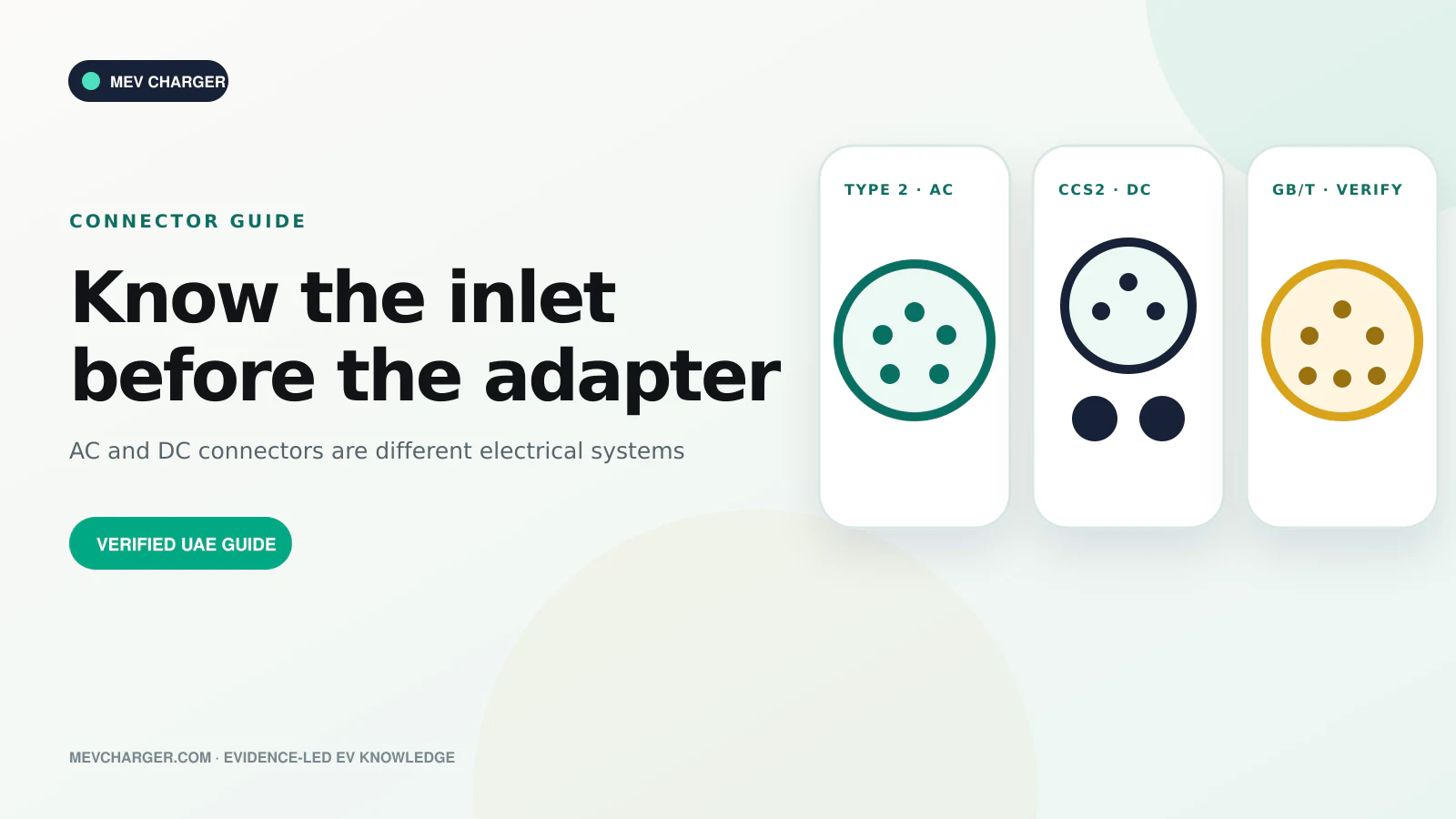
EV Charging Connectors in the UAE: AC, DC, Type 2, CCS2 and GB/T
Identify the correct charging port before buying a wallbox or adapter. This UAE guide explains AC versus DC, …
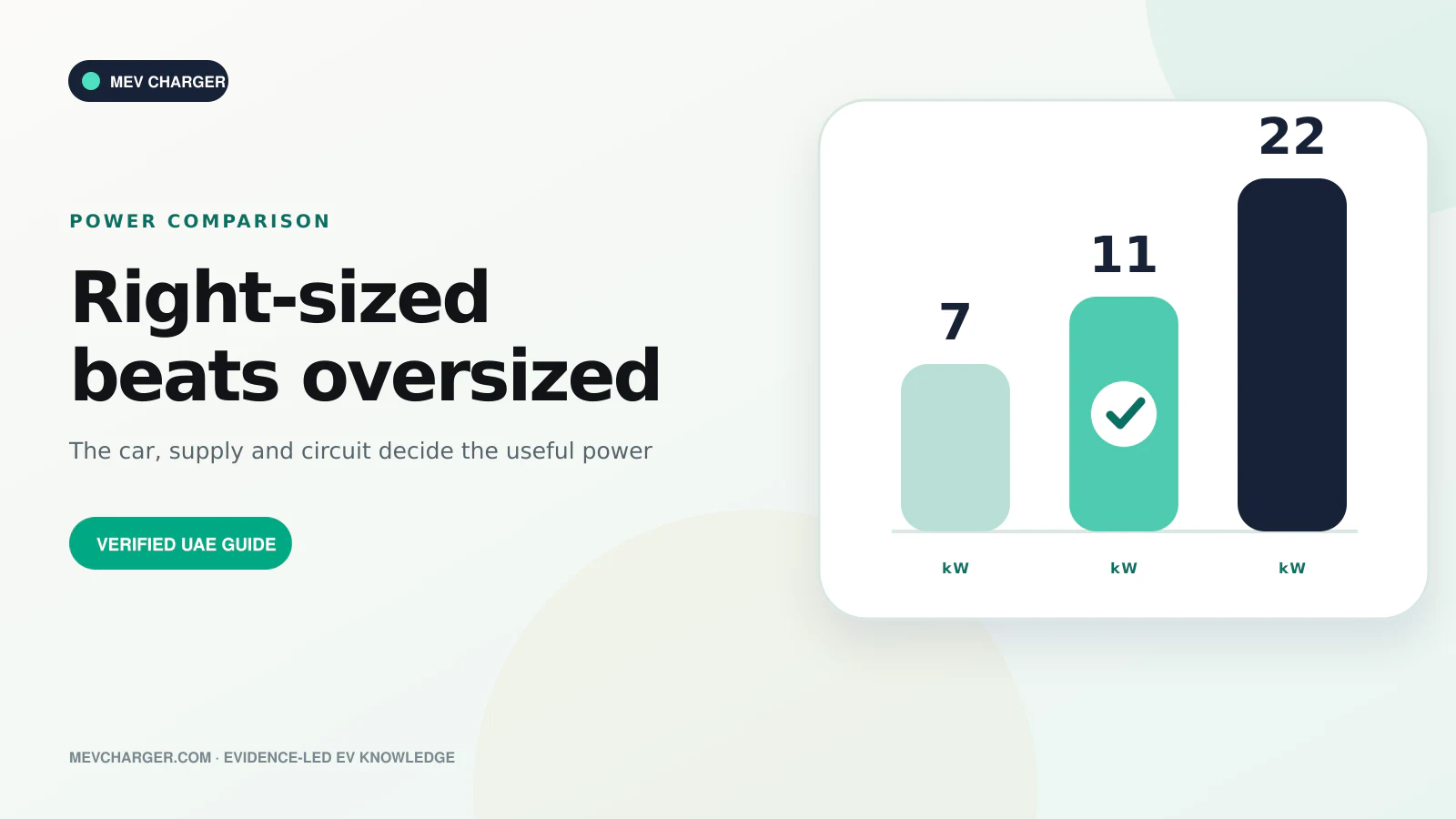
7 kW vs 11 kW vs 22 kW EV Chargers in the UAE
Choose charger power from the car, available phases and overnight energy need—not the largest number on the b…
EV Charger Installation in the UAE: The Complete Home Guide
A practical, evidence-led guide to choosing power, surveying the site, planning cable and protection, and ins…
Public EV Charging in the UAE: DEWA, UAEV and Trip Planning
Plan public charging by connector, live availability, payment access and a backup stop. Includes current offi…
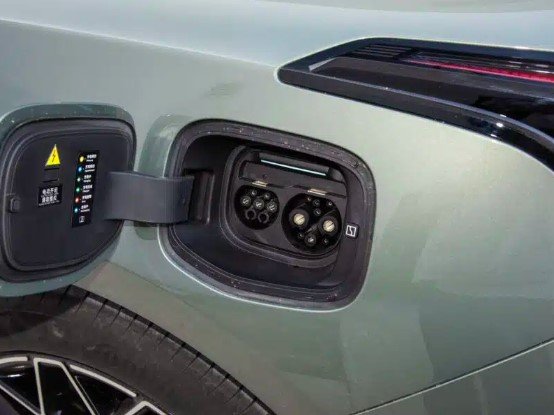
ZEEKR 001 Charging Guide in UAE
A practical UAE guide to ZEEKR 001 charging, covering up to 22 kW AC, DC fast charging expectations, local ch…
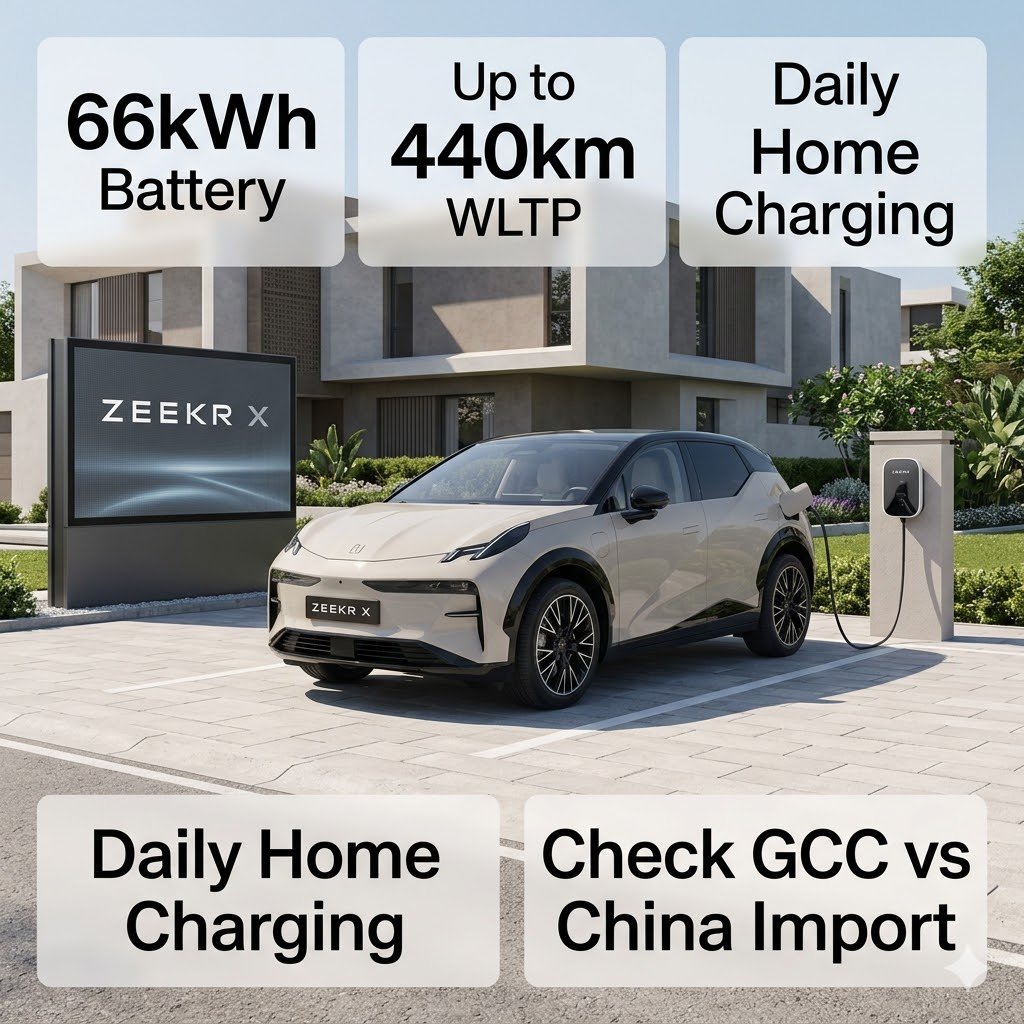
ZEEKR X Charging Guide in UAE
A practical UAE guide to ZEEKR X charging, daily home top-ups, AC and DC differences, and GCC versus China-im…