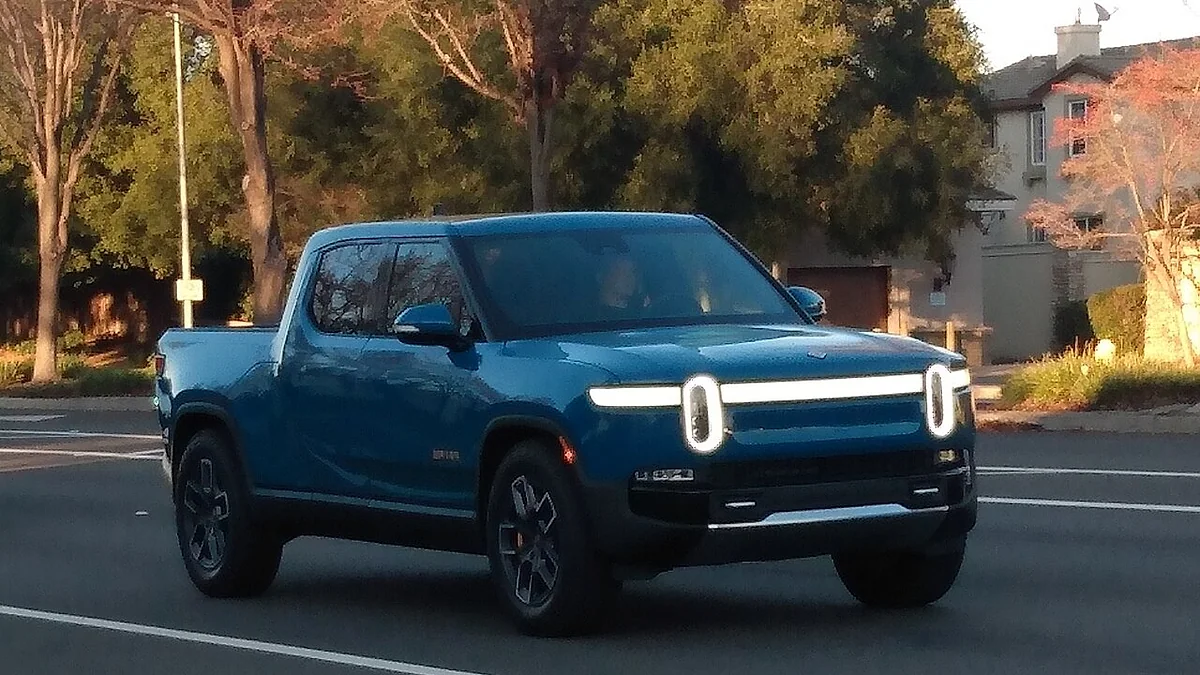

Short answer: Rivian’s support centre states that the R1T and R1S onboard charger can provide 11.5 kW to the battery and recommends its North-American Wall Charger for the referenced market. Rivian’s charging ecosystem is transitioning across connector generations. For an UAE import, the useful fact is the onboard limit; the correct wallbox still needs the actual inlet, model year and locally suitable supply equipment.
This page uses the official sources registered below the article. A figure from another market is evidence for that market only and is not silently converted into an UAE-vehicle specification.
Version and market decision table
| Version or market | What the source confirms | Customer decision |
|---|---|---|
| R1S / R1T onboard AC | Rivian officially states an 11.5 kW onboard charger capability. | Treat 11.5 kW as the car limit, not a promise that every UAE site supplies it. |
| North-American home equipment | Rivian describes its own Wall Charger and Portable Charger for that electrical ecosystem. | Do not use a North-American plug through a casual travel adapter. |
| Connector transition | Rivian materials document an evolving charging system. | Confirm physical inlet and model year before ordering a tethered cable or DC adapter. |
What this means for a vehicle in the UAE
At 11.5 kW the North-American current relationship does not map one-to-one to a common European/UAE three-phase wallbox label. Design from the vehicle and local supply, not from marketing arithmetic.
A large battery does not automatically require the largest wallbox. Daily distance, parking time, onboard limit and available load determine the practical recovery needed overnight.
For public fast charging, verify the vehicle software and the exact adapter supported by Rivian for that generation. Never assume universal NACS/CCS interoperability.
Choose the home charger without guessing
- Match the AC inlet on Rivian R1S & R1T Home Charging Guide UAE to the vehicle side of the EVSE; a DC headline must not select the home wallbox.
- Confirm the onboard AC limit and single-/three-phase behaviour from exact-version documentation or the vehicle screen where available.
- Check spare panel capacity, main breaker and existing large loads before choosing 7, 11 or 22 kW.
- Design cable and protection from current, route length, installation method, heat and charger instructions.
- Test earthing, protection and a real charging session before issuing the final customer handover report.
Photos and data to send
This checklist reduces repeated calls and lets the employee produce a clear report the first time:
- One wide photo of the complete open charge inlet, with every socket section visible.
- A second close photo of labels or connector symbols inside the charging flap.
- Model year and trim from the vehicle screen or registration, plus source-market evidence.
- Photos of every supplied cable or adapter label, including input/output ratings and part number.
- A clear main-board photo showing the main breaker and available phase arrangement.
- A continuous video or photo sequence from the main board to the proposed parking position.
Site design and installation
After the vehicle is resolved, the decision moves to the site: single or three phase, spare capacity, cable-route length, installation method, sun or water exposure, trenching/interlock and earthing condition. These determine design and price and cannot be inferred from the car model.
The final report should separate confirmed facts, estimates and items still requiring inspection. It should list the charger, cable, protection, isolator, civil work and testing as clear lines because the customer may already own some materials and need installation only.
Next step
Read the AC/DC connector guide, then open the installation planner. You can also return to the reviewed vehicle page for version status and official sources.
Official sources
Battery, connector and charging limits can vary by model year, trim and market. Confirm the exact vehicle before buying equipment.
- Rivian home charging Rivian Wall Charger and Portable Charger home-charging guidance.
- Rivian R1 onboard charger size R1T and R1S onboard charger is capable of 11.5 kW.
- Charging your Rivian Rivian charging-system context and connector transition evidence.
Need a charger or installation?
Choose your vehicle or plan the installation.
FAQs
Can a charger be selected from the name Rivian R1S & R1T Home Charging Guide UAE alone?
Will a 22 kW wallbox charge every car at 22 kW?
Does adapter shape prove compatibility?
What is the most important photo before purchase?
Can installation be priced before the inlet is resolved?
When may a recommendation be marked confirmed compatible?
Related Articles
EV Charging Connectors in the UAE: AC, DC, Type 2, CCS2 and GB/T
Identify the correct charging port before buying a wallbox or adapter. This UAE guide explains AC versus DC, …
EV Charger Installation in the UAE: The Complete Home Guide
A practical, evidence-led guide to choosing power, surveying the site, planning cable and protection, and ins…
7 kW vs 11 kW vs 22 kW EV Chargers in the UAE
Choose charger power from the car, available phases and overnight energy need—not the largest number on the b…
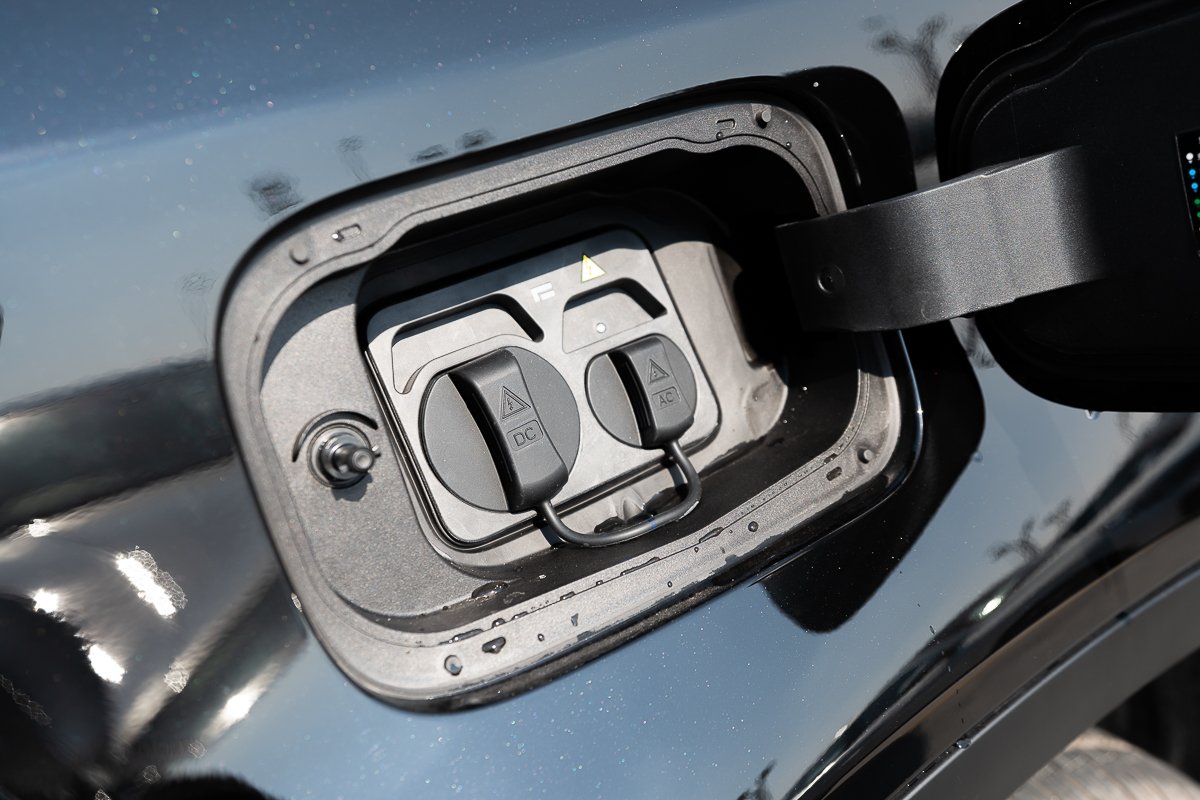
ROX 01 Charging Guide in UAE
ROX 01 charging in the UAE: 56.01kWh battery, 7kW AC, Type 2 / CCS2 GCC versions and GBT China imports.
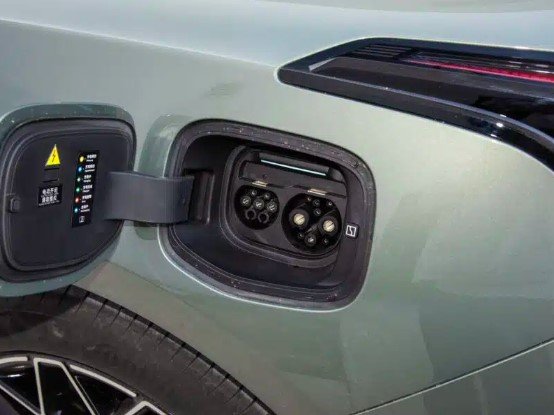
ZEEKR 001 Charging Guide in UAE
A practical UAE guide to ZEEKR 001 charging, covering up to 22 kW AC, DC fast charging expectations, local ch…
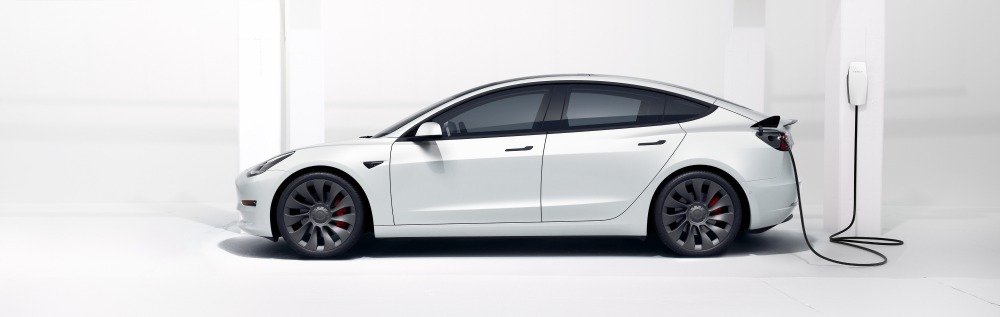
Tesla Model 3 Charging in UAE: GCC vs US Import
A concise guide to Type 2 and CCS2 UAE cars, NACS US imports and the home AC limit for each verified configur…